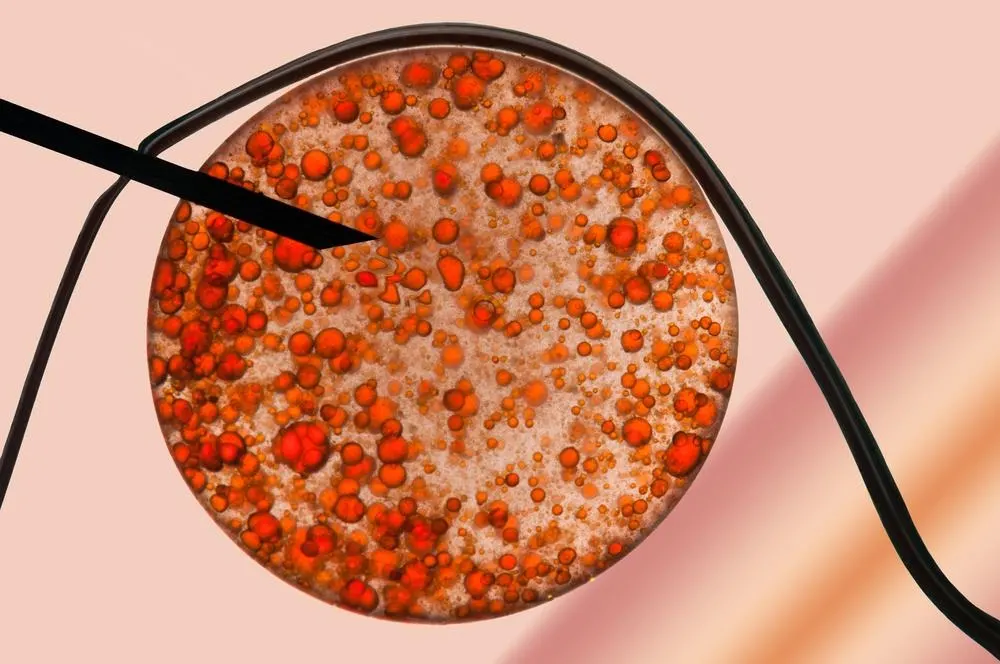
1. The Biological Definition of Stem Cells
Stem cells are undifferentiated biological cells that have two unique properties: the ability to divide and reproduce indefinitely (self-renewal), and the potential to differentiate into specialized cell lineages such as neurons, cardiomyocytes, chondrocytes, or pancreatic beta cells.
In modern regenerative medicine, stem cells act as the body's repair system. Rather than merely masking disease symptoms with pharmaceuticals, cellular therapy aims to restore cellular function and promote microvascular tissue repair.
2. Primary Sources of Therapeutic Stem Cells
Autologous Stem Cells
Harvested directly from the patient's own tissue, eliminating risk of immune rejection or donor mismatch.
- Bone Marrow Aspirate (BM-MNC): Rich in hematopoetic and mesenchymal progenitors.
- Adipose Tissue (SVF): High concentration of pericytes and stromal cells.
Allogeneic Stem Cells
Sourced from screened, ethically donated human umbilical cord tissue (Wharton's Jelly) following safe cesarean deliveries.
- Wharton's Jelly MSCs: High proliferative capacity and robust paracrine secretion.
- Hypoimmunogenic: Low expression of MHC Class II antigens.
3. How Stem Cells Promote Healing: Key Mechanisms
Scientific research shows that stem cells heal damaged organ systems through four primary physiological pathways:
- Paracrine Secretion: Stem cells release a potent cocktail of neurotrophic factors (BDNF, GDNF), vascular endothelial growth factor (VEGF), and exosomes that stimulate endogenous tissue recovery.
- Immunomodulation: Mesenchymal stem cells inhibit excessive inflammatory cascades by modulating T-cells, B-cells, and microglial activation in autoimmune conditions.
- Angiogenesis: Promoting new micro-capillary formation, restoring blood supply and oxygenation to ischemic or injured tissues.
- Anti-Apoptosis: Halting premature cell death in degenerating neuronal or organ parenchyma.
4. Clinical Procedure Steps in India
- Diagnostic Screening: Confirmation of suitability via MRI, metabolic panels, and immunological screening.
- Cell Preparation in cGMP Cleanroom: Strict quality control measuring viability (>90%), sterility, and endotoxin levels.
- Targeted Delivery: Administered through minimally invasive methods (Intravenous IV drip, Intrathecal lumbar injection, or Localized joint injection).
- Integrated Rehabilitation: Post-procedure hyperbaric oxygen therapy (HBOT) or neuro-physiotherapy to support cell homing.