
Understanding Kidney Failure & Renal Decompensation
Renal failure represents the critical loss of kidney parenchymal function, resulting in the failure to filter metabolic waste products, regulate fluid-electrolyte balance, and sustain systemic endocrine functions. Whether driven by acute-on-chronic renal injury, long-standing glomerulosclerosis, or refractory hypertensive vascular collapse, kidney failure is characterized by severe loss of tubular epithelial polarization and severe peritubular capillary rarefaction.
When the remaining viable nephron mass drops below critical survival thresholds, persistent hypoxia triggers excessive myofibroblast activity. The extracellular matrix overwhelms the renal cortex and medulla, leading to escalating serum creatinine, severe hyperkalemia, profound metabolic acidosis, and fluid overload that often necessitates mechanical hemodialysis.
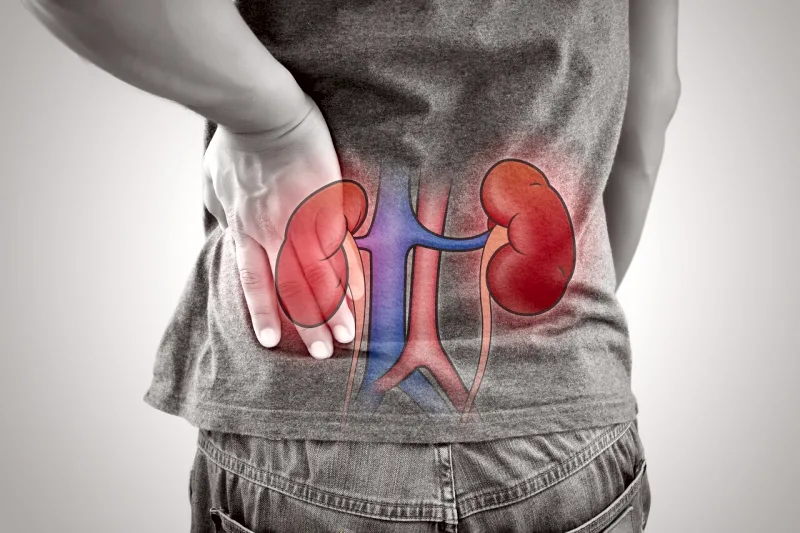 Figure: Cellular therapeutic targeting of ischemic renal tubules and microvascular capillary beds.
Clinical Indicators of Renal Failure
Patients approaching or experiencing kidney failure present with a confluence of biochemical disruptions and systemic organ consequences:
Azotemic & Fluid Retention Indicators
- Elevated serum creatinine (>3.0 mg/dL) and urea
- Oliguria (urine output < 500 mL/24 hr) or marked anuria
- Severe intractable peripheral edema and pulmonary congestion
- Treatment-resistant fluid retention and severe hypertension
Uremic & Hematologic Manifestations
- Uremic encephalopathy, cognitive slowing, and asterixis
- Severe refractory normocytic anemia and extreme lethargy
- Persistent nausea, metallic taste, and loss of appetite
- Renal osteodystrophy and hyperphosphatemia
How Mesenchymal Stem Cells Address Renal Failure
Mesenchymal Stem Cells (MSCs) exert potent nephroprotective effects through paracrine, immunomodulatory, and pro-angiogenic mechanisms:
Tubular Epithelial Rescue & Regeneration
MSCs produce high levels of Insulin-Like Growth Factor-1 (IGF-1), Hepatocyte Growth Factor (HGF), and epidermal growth factors. These signaling proteins stimulate surviving tubular cells, inhibit caspase-mediated apoptosis, and re-establish brush border membrane integrity.
Peritubular Capillary Neo-Angiogenesis
Chronic renal hypoxia is a primary driver of renal decline. MSCs secrete Vascular Endothelial Growth Factor (VEGF) and Angiopoietin-1, inducing capillary sprouting and restoring oxygen tension to the hypoxic renal cortex and corticomedullary junction.
Inhibition of Interstitial Fibrosclerosis
MSCs downregulate profibrotic cytokines including TGF-β1 and connective tissue growth factor (CTGF), halting excessive α-SMA myofibroblast differentiation and preserving residual parenchymal tissue.
Clinical Protocols & Administration Methods
Procedures are performed in internationally accredited partner hospital facilities equipped with advanced catheterization labs:
| Administration Route | Clinical Rationale | Procedure Details |
|---|---|---|
| Direct Renal Artery Infusion | Delivers a concentrated bolus of viable MSCs directly into the bilateral renal vascular tree, bypassing first-pass pulmonary capillary clearance. | Performed by an experienced interventional radiologist via transfemoral micro-catheterization under fluoroscopy guidance. |
| Systemic Intravenous (IV) Infusion | Delivers systemic anti-inflammatory signaling, mitigates circulating uremic endotoxins, and protects distant vascular beds. | Administered slowly over 60–90 minutes under continuous cardiac telemetry and vital sign monitoring. |
| Supportive Nephrology Care | Optimizes metabolic stability, controls acid-base balance, and balances fluid homeostasis during cellular uptake. | Multidisciplinary inpatient nephrology monitoring with standardized daily biochemical panels. |
Patient Candidacy & Selection Criteria
Candidate eligibility is meticulously determined to ensure cellular safety and meaningful clinical utility:
✓ Potential Candidates
- Advanced pre-dialysis renal failure (creatinine 2.5 – 6.0 mg/dL)
- Early dialysis patients (<3 months) with preserved residual urine (>500 mL/day)
- Preserved renal parenchymal bipolar length (≥ 8.0 cm on ultrasonography)
- Stable cardiovascular status capable of undergoing mild interventional access
✗ Exclusion Factors
- Complete anuric end-stage kidney failure with bilateral kidney shrinkage (<7 cm)
- Active, uncontrolled systemic septicemia or bacteremia
- Severe, decompensated congestive heart failure (EF < 25%)
- Active uncontrolled malignant neoplasms
Patient Experiences: Stem Cell Treatment for Chronic Kidney Disease (CKD)
Watch international clinical case studies demonstrating observed renal stabilization, creatinine maintenance, and quality-of-life recovery outcomes at Stem Cell Therapy Center India.
Patient from Bangladesh: CKD Renal Support
Feedback on creatinine stabilization, reduced dialysis intervals, and physical recovery.
Mr. Shankar from Fiji: Stem Cell Therapy for CKD
International patient testimonial on kidney function management and hospital care in India.
Patient from Chennai: CKD Cellular Protocol
Indian patient feedback on renal stability, fluid balance, and restored vitality.
Cost Breakdown: India vs International Centers
Choosing India for renal stem cell therapy offers access to high-tier medical infrastructure at a fraction of Western costs:
| Country / Destination | Average Package Cost | Typical Waiting Period | Hospital Accreditation |
|---|---|---|---|
| India (Our Partner Centers) | $4,500 – $7,500 USD | 1 – 2 Weeks | JCI / NABH Accredited |
| United States | $26,000 – $48,000 USD | 3 – 6 Months | Clinical Trial Gated |
| United Kingdom / EU | $21,000 – $40,000 USD | 2 – 5 Months | Private Specialty Only |
| Panama / Mexico | $18,000 – $32,000 USD | 2 – 4 Weeks | Variable Regional |
What Is Included in the Kidney Failure Package?
Hospital room stay (private deluxe for patient & companion), cellular harvest & cGMP cleanroom processing, digital subtraction angiography catheterization, pre-op nephrology consultations, kidney duplex ultrasound, post-procedure observation, dedicated airport pickup, and dedicated language coordination.
Peer-Reviewed Scientific Literature
Our clinical perspective is grounded in published literature examining cellular therapies in renal impairment:
- Perico, N. et al. (2018): "Autologous mesenchymal stromal cells and kidney transplantation: A clinical perspective." Stem Cells Translational Medicine, 7(8): 560-571.
- Rota, C. et al. (2019): "Stem Cell Therapies in Kidney Diseases: Progress and Challenges." International Journal of Molecular Sciences, 20(11): 2790.
- Morigi, M. et al. (2016): "Mesenchymal Stem Cells for the Treatment of Renal Failure: From Preclinical Studies to Clinical Applications." Nephrology Dialysis Transplantation, 31(7): 1045-1054.